Introduction
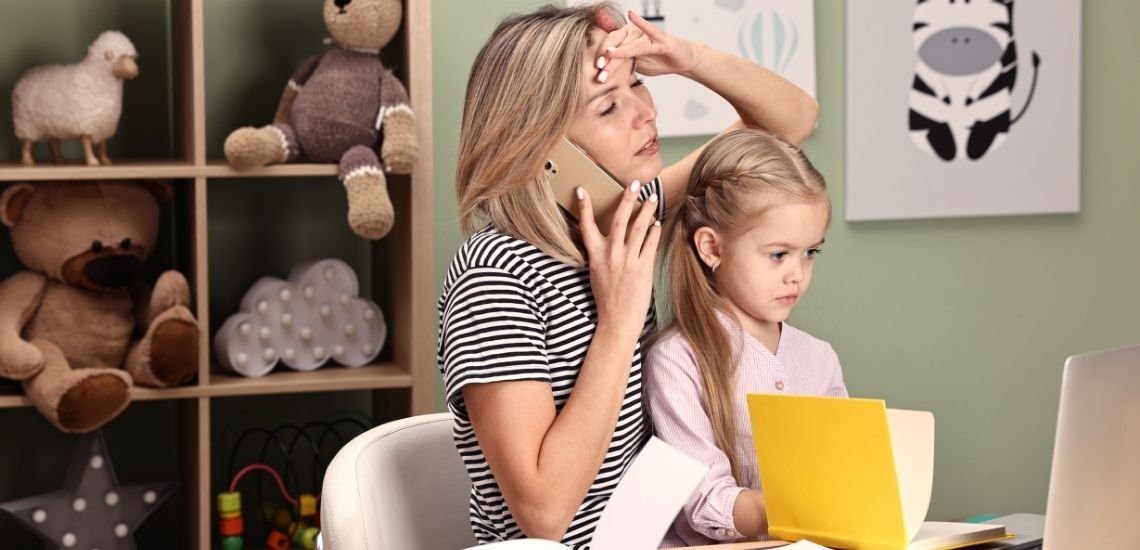
Do your days feel messy, chaotic, or overwhelming right now? You are not alone. Many parents struggle to find a balance between keeping the house running and helping their children grow. It is easy to feel pressure to create perfect activities every single day.
A gentle learning routine for toddlers can change the flow of your home. It does not mean you need a strict classroom schedule or expensive toys. It simply means creating a comforting rhythm that helps your child feel safe, happy, and ready to explore the world.
Key Takeaways
- Predictability builds safety. When toddlers know what comes next, they feel secure and are more open to learning new skills.
- Play is the work of childhood. Simple activities like stacking blocks or pouring water teach focus and problem-solving better than worksheets.
- Everyday moments count. Learning happens during snack time, diaper changes, and walks just as much as during structured play.
- Flexibility is essential. A good routine allows room for big emotions, tired days, and spontaneous fun without stress.
Roadmap
This guide will help you build a calm daily flow that supports your child’s development, encourages independent play, and fits easily into your busy life.
What Is a Learning Routine for Toddlers?
A learning routine for toddlers is a consistent pattern of daily activities that balances active play, rest, and connection. It is about creating a predictable flow rather than following a clock time by time. This rhythm helps young children understand their world.
Think of it as a series of “anchors” in your day. These anchors are the things that happen every day, like meals, naps, and bath time. You build small moments of learning and play around these anchors. This approach removes the stress of trying to entertain your child every second.
Here is the thing, toddlers do not need complex lesson plans. They thrive on repetition and familiarity. A simple routine gives them the confidence to try new things because they know their basic needs will be met. It creates a calm environment where their brains can focus on growth.
Why Consistency Matters for Brain Development
Consistency provides a sense of security that lowers stress levels and allows the toddler brain to focus on learning. When a child is not worried about what will happen next, their brain is free to explore, imagine, and solve problems. This is the foundation of early development.
Research from organizations like Zero to Three shows that routines support self-regulation. This means toddlers learn to manage their feelings and behaviors better over time. Knowing that a quiet time follows active play helps their bodies settle down naturally.
Think of it this way, a chaotic environment can make a toddler feel anxious or act out. A gentle rhythm acts like a warm hug. It tells them they are safe. This safety is the soil in which their language, motor skills, and social skills take root and grow.
Building the Components of a Simple Routine
To create an effective learning routine for toddlers, you should include a mix of movement, sensory experiences, and quiet connection. You do not need to do all of these every hour. Aim to sprinkle them throughout the morning and afternoon.
Start with active gross motor play to burn off energy. This could be dancing, climbing on safe furniture, or running in the park. Follow this with a period of focused work. This might look like playing with puzzles, drawing, or building with magnetic tiles.
The simple truth is, balance is key. If the morning is high-energy, make the afternoon slow and sensory-based. [Insert Link: Simple Sensory Bin Ideas for Small Homes] helps busy parents set up calming activities quickly. Always end learning blocks with connection, like a snuggle or a story.
How To Include Daily Life Skills
Practical life skills are some of the most valuable lessons a toddler can learn at home. Involving your child in daily chores creates a rich learning environment. It fosters independence and fine motor coordination naturally.
You can ask your toddler to help put socks in the laundry basket. You can let them wipe the table with a small damp cloth. These tasks seem small to us, but they are huge accomplishments for them. They teach sequencing, responsibility, and physical coordination.
What this really means is that you do not need to pause your housework to “teach” your child. You simply invite them into your world. Narrate what you are doing. This builds vocabulary and helps them understand how a home functions.
Setting Up Your Space for Success
A successful learning routine relies heavily on how you set up your environment to encourage independence. You do not need a playroom. You only need accessible shelves or baskets where your child can reach their toys without help.
Rotate toys to keep interest high and clutter low. If there are too many choices, a toddler will often dump them out and walk away. Keep only four to six activities out at a time. This invites deeper focus and longer periods of independent play.
Bridging the gap between chaos and calm starts with the environment. Create a cozy “quiet corner” with a few books and a soft pillow. When the energy gets too high, guide your toddler to this space. It signals their body that it is time to rest and recharge.
A Note on Focus:
I once watched a two-year-old try to put on his own shoes for ten minutes. He was frustrated at first. He groaned and pulled. But because we did not rush him, he kept trying. When he finally got the Velcro to stick, his face lit up. That ten-minute struggle was a powerful lesson in persistence and self-confidence.
Handling Resistance and Staying Flexible
Even the best learning routine for toddlers will face resistance, tantrums, or days where nothing goes right. This is normal. A routine is a guide, not a law. It is there to serve you, not to rule you.
If your child is having a hard day, drop the planned activity. Shift to connection instead. Read books on the floor or take a long bath. Meeting their emotional needs is the most important part of their development. A stressed brain cannot learn effectively.
Think of it this way, flexibility prevents burnout. If you are tired, it is okay to choose low-energy activities. [Insert Link: Low Prep Activities for Tired Parents] can save the day. Your well-being matters just as much as the lesson plan.
Sample Morning Routine for a Toddler
- 7:00 AM: Wake up and connection time (snuggles).
- 7:30 AM: Breakfast and conversation.
- 8:00 AM: Free play while parent tidies up (Independent Play).
- 9:00 AM: Structured activity or outing (Park, walk, or art).
- 10:30 AM: Snack and story time.
- 11:00 AM: Practical life help (Laundry or wiping tables).
- 12:00 PM: Lunch and wind down for nap.
Conclusion
Creating a gentle learning routine for toddlers does not have to be complicated or stressful. It is about building a rhythm that feels good for your unique family. By focusing on connection, play, and daily life skills, you are giving your child everything they need to grow.
Remember that some days will flow beautifully, and others will be messy. That is the nature of raising little humans. The goal is progress and connection, not perfection. Trust that the small moments you share are building a strong foundation for their future.
Would you like me to create a simple, printable chart to help you visualize your new daily rhythm?
Frequently Asked Questions
How long should a toddler learning activity last?
Most toddlers have an attention span of two to three minutes per year of age. This means a two-year-old might only focus for four to six minutes on a single task. Keep activities short and sweet. If they are deeply engaged, let them play as long as they like.
What if my toddler refuses to follow the routine?
Resistance is often a sign of a transition struggle or a need for connection. Try using visual cues or songs to signal a change in activity. If they resist a specific activity, offer a choice between two options. This gives them a sense of control.
Do I need to do “school” work with my toddler?
No, toddlers do not need formal academic lessons or worksheets. They learn best through hands-on play and sensory exploration. Counting apples at snack time or naming colors during a walk is more effective than flashcards at this age.
How do I start a routine if we never had one?
Start small by anchoring one part of your day, such as the morning or bedtime. Once that feels predictable, add another anchor point like a mid-morning snack and story. Build the routine slowly over a few weeks to let your child adjust without stress.
Is screen time okay in a learning routine?
Limited, high-quality screen time can fit into a routine if it works for your family. The American Academy of Pediatrics suggests watching with your child to make it interactive. Use it as a tool for calm down time rather than a constant background distraction.