Introduction
Your days might already feel full of snacks, spills, and sudden toddler meltdowns. Adding “reading time” on top of everything can feel like one more job on a very long list. Maybe you have a pile of lovely books at home, but your toddler only wants the same one again and again. Or they flip pages too fast, wander away, or close the book right when you start. It is easy to worry that you are not doing reading “the right way.”
The simple truth is that toddler reading habits grow slowly through small, repeated moments. Early reading is less about perfect story time and more about warm connection, simple routines, and playful curiosity. In this guide, you will learn why reading in the toddler years matters so much for language, focus, and emotional security, and how to build easy, stress-free habits that fit your real life.
Key Takeaways
- Toddler reading habits start with tiny routines: Short, regular book moments build comfort with stories and print over time.
- Reading grows language and brain connections: Toddlers who are read to often hear more words and develop stronger communication skills.
- Connection matters more than perfection: A wiggly, half-finished story still supports bonding, attention, and emotional safety.
- Fun keeps toddlers coming back to books: Silly voices, choices, and movement make reading feel like play, not a lesson.
- Age-specific support makes reading easier: Different toddler ages need different kinds of books, expectations, and routines.
This article will explain what healthy toddler reading habits look like, why they matter for development, and how you can build simple daily routines, even on busy or tired days. You will also find age-specific tips, real parent examples, and answers to common reading questions.
What Are Healthy Toddler Reading Habits?
Healthy toddler reading habits are simple, regular ways your child meets books during daily life. They do not depend on long story sessions or perfectly behaved listening. Instead, they grow from short, warm moments where your toddler sees, hears, and touches books in a relaxed way.
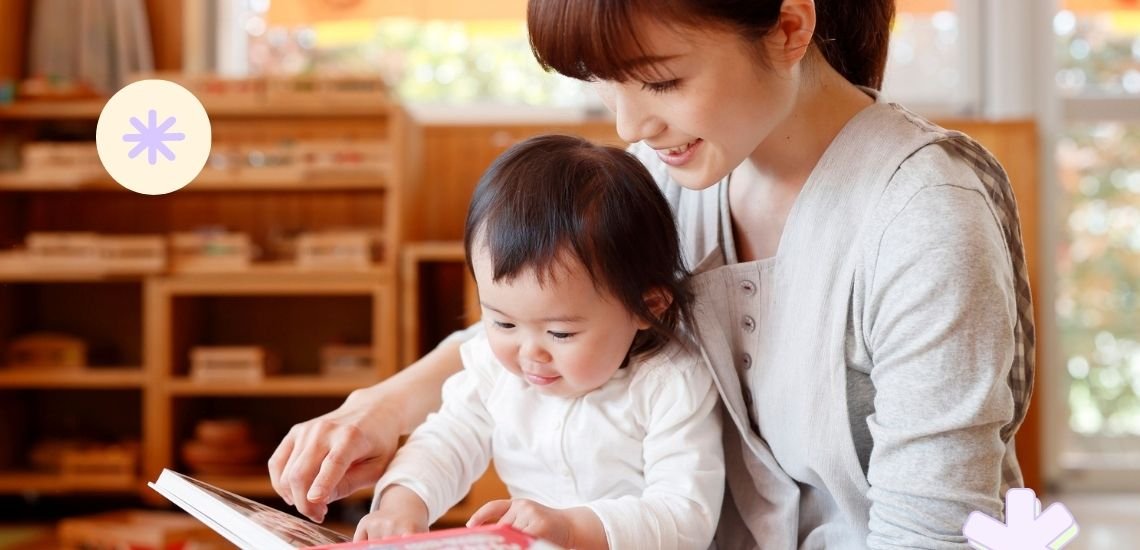
In practice, this might mean one short story after breakfast, a picture walk before nap, or a quick rhyme before getting dressed. The goal is not to finish every page. The goal is to help your toddler feel that books are safe, familiar, and part of everyday life. When books feel normal, it becomes easier to build stronger toddler reading habits later.
Think of it this way. Each time your toddler brings you a book, points to a picture, or turns the pages, they are already practicing early literacy skills. They learn that pages turn one way, that pictures connect to words, and that stories begin and end. These small experiences are the foundation for later reading, even if your toddler only sits for two minutes at a time.
Why Toddler Reading Habits Matter for Development
Regular reading in the toddler years supports language, attention, and emotional growth in powerful ways. A 2019 study from Ohio State University found that children who are read to often can hear up to 1.4 million more words by age five than children who are rarely read to. This “million word gap” helps explain why early reading habits matter so much for later vocabulary and reading skills.Source
When you read to your toddler, you are not just sharing a story. You are giving their brain practice with sounds, rhythms, and new words. You are also building “serve and return” interactions, where your child points, you respond, and a little back and forth conversation starts. Organizations like Zero to Three explain that these responsive moments are key for healthy brain development and secure attachment.
Reading also helps toddlers explore big feelings in a safe way. A story about a sad bear or a worried bunny gives your child language for their own emotions. They see characters calm down, solve problems, and reconnect with caregivers. Over time, these gentle examples support emotional regulation and empathy. This is one reason strong toddler reading habits are about the whole child, not just future school skills.
How To Build Simple Daily Reading Routines
Good toddler reading habits do not require a strict plan. They grow best from small, repeated reading moments that fit where your family already spends time. The easiest place to start is to attach books to routines you already have, like breakfast, quiet time, or bedtime. When reading “rides along” with something you already do, it becomes easier to repeat.
Here is the thing. Toddlers learn through repetition and predictability. When you pick the same cozy chair after dinner or the same spot on the couch every evening, your child begins to expect that a story will follow. This sense of “I know what happens here” helps many toddlers settle, even if their day felt busy or chaotic. Over time, these tiny, predictable reading rhythms form strong toddler reading habits.
To make routines feel realistic, focus on short, doable steps instead of big goals. You might start with just five minutes a day and grow slowly. You might keep a small basket of board books near the breakfast table or a soft book in the diaper bag for bus rides. For more rhythm ideas, you can later explore [Insert Link: Simple Bedtime Routines for Young Children] to connect reading with sleep in a gentle way.
Practical Routine Ideas That Work in Busy Homes
- Attach books to one daily anchor: Read after brushing teeth, during snack, or right after daycare pick up, so your toddler links books with a familiar moment.
- Use “one page is enough” thinking: Tell yourself that even a few pages count, which reduces pressure and helps you stay consistent on tired days.
- Keep books where life happens: Place a few sturdy books in the living room, car, and bedroom, so spontaneous reading moments are simple and natural.
- Repeat favorite books often: Re-reading the same story builds confidence, vocabulary, and memory, even if you feel slightly bored.
- Pair books with comfort items: Let toddlers hold a blanket or stuffed friend while you read, so the experience feels safe and cozy.
“Every evening, Leena’s two-year-old brings the same animal book to the couch. Some nights they only make it through three pages before bedtime chaos starts again. At first, Leena worried this was not enough. Over time, she noticed her toddler pointing to animals, making sounds, and even “reading” parts of the book back to her. Those tiny, imperfect moments were exactly how her toddler’s reading habits were growing.”
Making Reading Fun, Not A Fight
One of the biggest obstacles to healthy toddler reading habits is the feeling that reading should look calm and quiet. In real life, many toddlers move, talk, and test limits during stories. The good news is that movement and silliness can actually help toddlers learn. When reading feels playful, children want to return to books again and again.
Start by adjusting your expectations. A toddler who gets up, acts out the story, or turns pages fast is still learning. You can follow their lead by naming pictures, acting out sounds, or skipping sections that lose their interest. The simple truth is that early reading is less about finishing the book and more about shared attention, curiosity, and joy.
It can help to add small choices and playful twists. Let your toddler pick the book, choose who holds it, or decide which character you will read with a silly voice. You might “make a mistake” on purpose and see if they correct you. These small games gently stretch attention while protecting connection, which is the heart of long term toddler reading habits.
Playful Reading Ideas for Wiggly Toddlers
- Turn stories into mini dramas: Stand up, stomp like the dinosaur, or tiptoe like the mouse, so your toddler can move while listening.
- Use your toddler’s name in stories: Swap character names with your child’s name, which makes the book feel personal and exciting.
- Invite page detectives: Ask your toddler to find one color, animal, or object on each page, which keeps their focus active and playful.
- Allow “reading breaks”: Pause the book when they walk away and gently invite them back later, rather than forcing them to sit still.
- Mix books with songs: Turn repeated phrases into simple tunes, which helps toddlers remember language and stay engaged.
“During a pediatric visit, a doctor explained that reading is like a workout for a toddler’s brain and feelings. Even five playful minutes a day, especially when paired with cuddles and eye contact, can build attention, language, and secure attachment over time.”
Age-Specific Ideas To Support Toddler Reading Habits
Not all toddlers are ready for the same kind of reading. What works for an 18-month-old may frustrate a three-year-old, and the other way around. Understanding age-specific needs helps you choose realistic expectations, which reduces guilt and stress for you.
In general, younger toddlers need short, sturdy, sensory-rich books, while older toddlers can enjoy simple stories with characters and small problems. As your child grows, they may move from mainly exploring pages with their hands to following plots and joining in repeated lines. This shift is gradual and different for every child. Healthy toddler reading habits can look many ways during this process.
Here is a simple guide to help you gently match your reading style to your toddler’s age. Remember that children develop at different speeds. It is always fine to follow what your child enjoys most, even if it does not match the “typical” stage exactly.
Ages 1 to 2: Exploring Books With All the Senses
At this age, toddlers often treat books like toys. They chew them, tap them, and flip pages quickly. This is normal and helpful. Choose sturdy board books with simple pictures, few words, and clear faces or objects. Lift-the-flap or touch-and-feel books are great for curious hands.
Reading sessions can be very short. You might name a few pictures, copy your toddler’s sounds, and stop when they crawl away. This still strengthens toddler reading habits, because your child is learning that books are interesting and safe. You can slowly build more time as their attention grows.
Here, focus on labeling more than storytelling. Simple phrases like “red ball,” “big dog,” or “baby sleeps” help your toddler connect words with pictures. Research shared by the American Academy of Pediatrics has shown that even these small moments of shared reading support language growth and bonding between parent and child.Source
Ages 2 to 3: Naming Feelings and Daily Life
Between ages two and three, many toddlers enjoy books about daily routines and big feelings. Stories about saying goodbye at daycare, starting potty training, or welcoming a sibling can feel especially meaningful. Look for books with short sentences, clear pictures, and gentle emotional themes.
At this stage, your toddler might start repeating phrases, asking questions, or “reading” parts of the story back to you. This is a powerful sign that toddler reading habits are taking root. You can support this by pausing often, letting them finish simple lines, and asking open questions like “What do you think happens next?”
Books also become helpful tools for handling tantrums and fears. After difficult moments, you might read a story about a character who feels angry or scared and then finds comfort. Over time, your child learns that books can help them understand and name their own emotions. You can connect this with other emotional learning articles later, such as [Insert Link: Helping Toddlers Name Their Feelings].
Ages 3 to 4: Growing Stories and Early School Readiness
By age three or four, many children can follow slightly longer stories with simple plots. They might notice patterns, remember what happened last time, and ask very detailed questions. Choose picture books with clear beginnings, middles, and endings, and with characters who solve small everyday problems.
At this stage, you can gently highlight early literacy skills without turning reading into a lesson. For example, you might run your finger under the title, point out that words move from left to right, or ask your child to find a certain letter on the page. These small prompts support early school readiness while keeping reading joyful.
Remember that even at this age, not every reading time will look calm. Some days your child may happily listen for ten minutes. Other days they may stop after two pages. Healthy toddler reading habits are measured over weeks and months, not single days. What matters most is that books keep showing up in kind, low-pressure ways.
Conclusion
Toddler reading habits are not built through perfect routines. They grow through many small, real moments where books meet everyday life. A short bedtime story, a picture walk on the floor, or a few silly pages during snack can all plant strong seeds for language, focus, and emotional security.
These habits matter because they give your child both knowledge and comfort. Regular reading exposes toddlers to rich vocabulary and new ideas, which supports later school success. At the same time, reading in your lap, beside you on the couch, or under a blanket helps your child feel safe, seen, and deeply connected to you.
You do not need to redesign your entire day to support toddler reading habits. Choose one small reading moment to protect this week. Notice how your child responds. Over time, those gentle book moments will stack up into something powerful. You are already building a reading life for your child, one simple story at a time.
Frequently Asked Questions
How can I start toddler reading habits if my child never sits still?
Begin with very short, playful reading moments instead of long sessions. You can stand, move, and act out the story while you read, so your toddler’s body is allowed to wiggle. Even one or two pages at a time help your child get used to books. Over weeks, their attention will usually grow as reading feels more familiar and fun.
How many minutes a day should I read to my toddler?
There is no perfect number that fits every family. Many experts suggest aiming for about 10 to 20 minutes a day in short chunks. You might do five minutes after breakfast, five minutes after daycare, and a small story at bedtime. The key is regularity. Small, repeated moments build stronger toddler reading habits than one long session once in a while.
What kinds of books are best for toddler reading habits?
For younger toddlers, choose sturdy board books with simple pictures and few words. For older toddlers, pick picture books about daily life, feelings, and gentle adventures. Look for repeated phrases, clear illustrations, and characters your child can relate to. Most importantly, notice which books your toddler brings back again. Their favorites are usually the best for building strong habits.
How can I encourage reading if my toddler prefers screens?
You can slowly shift the balance without big battles. Try reading a short book before or after screen time, so books share the same “special” space. Choose interactive stories with flaps, sounds, or movement to keep things exciting. Over time, many children begin to enjoy the calm, close feeling of book time, especially when it includes cuddles and full attention from you.
How do toddler reading habits help with later school success?
Early reading builds vocabulary, listening skills, and focus, which are key foundations for school. Children who are read to often enter preschool and kindergarten with more language experience and more comfort around books. They also practice sitting for short periods, following simple stories, and talking about ideas. These skills support smoother transitions into early learning settings.