
Introduction
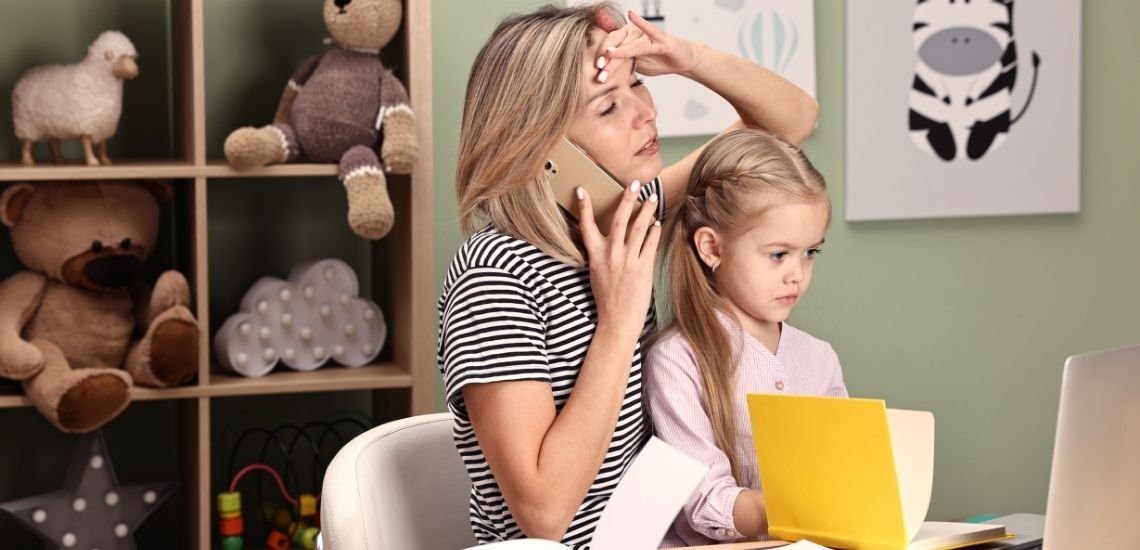
Your day probably begins with a plan and ends with chaos. You want to play more with your baby, yet bottles, naps, dishes, and work calls fill every pocket of time. Some days, you sit beside a heap of toys and feel oddly stuck. You wonder if you are doing enough, and if your baby is getting what they need.
Here’s the thing. When you create a baby play routine, you are not building a strict schedule. You are shaping a gentle rhythm that protects play time inside real life. This matters because play fuels brain growth, emotional safety, and early learning. This guide shows you how to build a simple routine that fits your home, your energy, and your baby’s age.
Key Takeaways
- Simple beats perfect: A short, steady plan works better than a fancy one. Your baby learns through consistency more than variety.
- Play builds the brain: Each small game grows focus, language, and movement. These skills stack quietly over time.
- Routines lower stress: A known pattern helps babies feel safe. Safety frees them to explore.
- Age guides your choices: What you offer changes as your baby grows. Matching play to age keeps it joyful.
- Your life counts: The best routine fits your energy and your home. It should ease your day, not add pressure.
Roadmap
We will explain what a play routine really is, then show how to build one by age. You will also learn how to fix common problems without guilt.
What Is a Baby Play Routine and Why It Matters
A baby play routine is a loose pattern for play across your day. It answers “when” and “what” without locking you into a clock. The simple truth is that babies thrive on rhythm more than rules.
Routines matter because the brain learns through repetition. When your baby expects play after a nap, their body relaxes. Relaxed babies explore longer and learn faster.
Think of it this way. Play in a safe rhythm teaches cause and effect. It also grows trust. Trust is the soil where learning takes root.
How Routine Shapes Early Development
Play strengthens tiny muscles and big feelings at once. Fine motor skills are small hand movements that help with feeding and later writing. Gross motor skills are big movements like rolling and crawling.
During play, your baby practices attention and memory. When you repeat a song or game, their brain builds pathways. These pathways support language later on.
Research backs this up. The Harvard Center on the Developing Child notes that back and forth “serve and return” play wiring shapes healthy brains. The Centers for Disease Control and Prevention also highlights play as key for growth during the first years.
For a deeper look at early brain growth, see Harvard Center on the Developing Child and CDC.
How to Create a Baby Play Routine by Age
The best routines change with development. Each age brings new skills and new needs. Start with simple blocks of play that match your baby’s stage.
Your goal is not to fill every minute. You aim for a few rich moments each day. Quality beats quantity every time.
Let’s walk through age by age so you can choose wisely.
Ages 0–3 Months: Tiny Moments, Big Impact
At this age, babies need gentle, brief play. Two to five minutes can be enough. Follow wake windows and stop before tears.
Focus on faces, voices, and soft movement. Your baby learns from you more than any toy. Pause to let them respond.
Layer play into care time. Diaper changes and feeding can become play with songs and eye contact.
Ages 4–6 Months: Movement and Curiosity
Your baby now explores with hands and mouth. Offer safe objects with new textures. Watch curiosity bloom.
Short floor sessions matter most here. Tummy time builds the neck and shoulders. Rolling games boost balance.
Sing simple songs and repeat sounds. Repetition builds memory and early speech patterns.
Ages 7–9 Months: Exploring With Purpose
Now your baby wants to move and grab. Create a small “yes space” where everything is safe to touch. Freedom fuels learning.
Use containers and blocks for stacking and dumping. These games teach cause and effect.
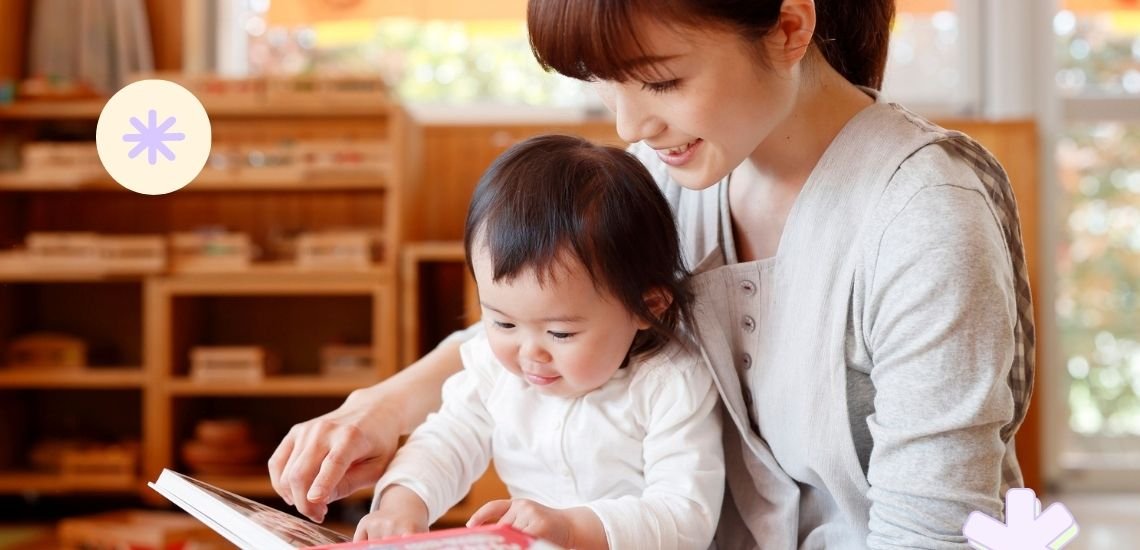
Read picture books every day. Point and name objects. Language grows through shared attention.
Ages 10–12 Months: Play With Goals
Standing, cruising, and pointing emerge. Provide push toys and low furniture for safe movement. Celebrate effort over success.
Offer pretend play with cups and spoons. Your baby learns from copying you. This is the start of imagination.
Build a tidy clean up song. Habits form early when they feel fun.
Build Your Routine in 5 Gentle Steps
You do not need a perfect plan to create a baby play routine. You need a light framework you can repeat. Start small and adjust weekly.
Here is a simple structure you can use from today. You can keep it on your fridge or phone.
Choose only what fits and leave the rest.
- Anchor play to naps: Add play after waking. Your baby is most alert then.
- Pick two daily windows: Morning and late afternoon often work best. Babies have more energy during these times.
- Rotate three activities: Use music, movement, and books. Rotation keeps things fresh without clutter.
- Set a soft timer: Ten minutes is plenty. Stop early if cues show tiredness.
- Repeat all week: Repetition grows comfort. Comfort grows confidence.
What Real Life Looks Like With a Routine
Routines shine in small moments. You do not need extra hours. You need gentle choices inside what you already do.
Here is a simple home story that shows how this works.
Notice how little time it takes.
“After naps, we put a blanket on the floor and sing three songs. Our eight month old then stacks cups for five minutes. Some days, it all ends early. Other days, she plays longer. Both days count.”
What this really means is flexibility. Missed moments do not ruin learning. They often make space for it.
Balance Screens With Play
You do not need fear to guide you. You need clarity. For babies under 18 months, experts advise avoiding solo screens. Video chat is the exception.
For older babies, keep screens short and shared. Talk about what you see. This turns viewing into learning.
Common Sense Media suggests less is better and together is best. Your voice still matters most.
Explore family media tips at Common Sense Media.
Common Routine Problems and Easy Fixes
Noise, sickness, and growth spurts disrupt every plan. That is normal. A routine should bend, not break.
Let’s solve a few frequent roadblocks with kindness.
You are not behind. You are adapting.
“My Baby Gets Fussy Fast”
Fussiness often means rest, not more play. End early and try later. A calm stop keeps play positive.
Check the room too. Light, noise, and hunger matter. Fixing the basics can restore joy.
Short wins build trust and stamina.
“We Miss Days”
Life happens. One missed day changes nothing. Restart at the next nap.
Keep your plan visible. A simple note on the fridge helps memory when you are tired.
Progress lives in patterns, not perfection.
Add Learning Without Adding Work
You can weave learning into chores and care. Babies watch you closely. Turn daily acts into play.
Describe what you do. Name colors on socks. Count spoons in the sink.
These tiny lessons grow language and math early.
Two Internal Guides to Explore
[Insert Link: Baby Sensory Play at Home]
[Insert Link: Screen Time Tips for Infants]
Conclusion
When you create a baby play routine, you gift your child safety and curiosity. Routine builds calm. Calm fuels learning.
Your routine does not need to impress anyone. It needs to fit your life. A few steady minutes can shape a lifetime of skills.
Start tonight with one song or one book. Notice one new smile tomorrow. You are doing enough, and it is working.
Frequently Asked Questions
How can I create a baby play routine if I work full-time?
Start with two daily windows that match your schedule. After waking and before bed often work well. Keep sessions short and repeatable. Consistency matters more than length.
What are simple play ideas for very young babies?
Use faces, songs, and soft movement. Tummy time, mirror play, and gentle massage work well. Babies learn best from people, not products.
How much play does my baby actually need each day?
A few rich moments are enough. Look for two or three short sessions after naps. Follow your baby’s cues to guide length.
Can I include screens in a baby play routine?
For babies, avoid solo screen use. If you use screens, keep it shared and short. Talk about what you see to support learning.
What if my baby seems bored with the routine?
Boredom often signals readiness for change. Swap one activity or room. Small changes keep interest high without chaos.