
Introduction
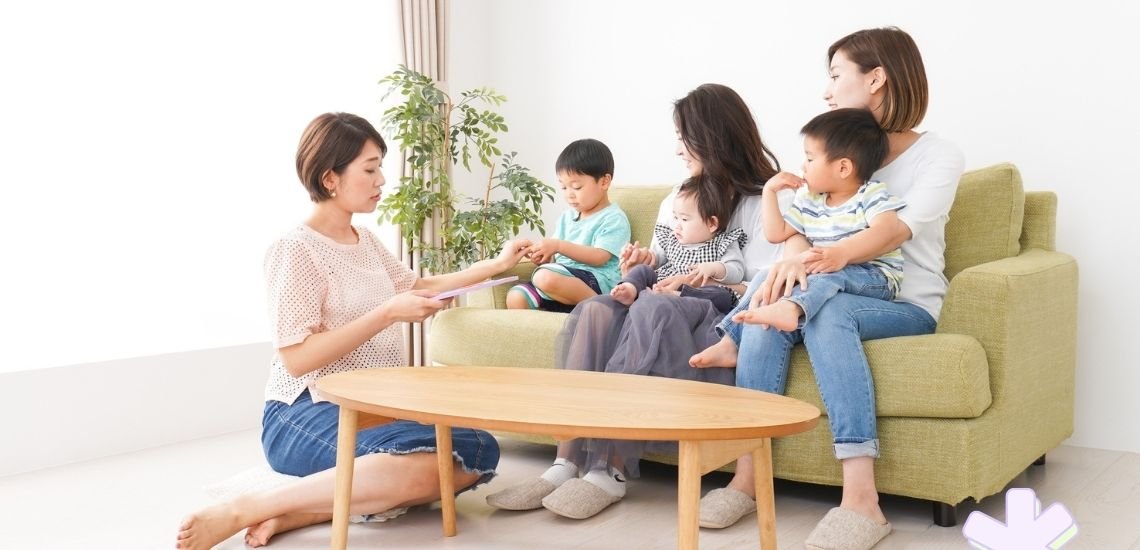
Life with a baby often feels busy and unpredictable. You spend your days feeding, soothing, cleaning, and trying to understand tiny cues. It is very easy to wonder if you should be doing more for your baby’s learning. Here’s the thing. Curiosity is not created by fancy toys or structured lessons. It grows quietly during everyday moments. A baby staring at a shadow on the wall or reaching for a crinkly napkin is already learning deeply.
Curiosity is the foundation of early development. It drives babies to reach, explore, look, listen, and connect. Simple play gives them a safe space to discover the world and build early thinking skills. This guide will show you how to encourage curiosity in babies from 0 to 12 months using gentle, warm, and practical ideas that fit real family life.
Key Takeaways
- Curiosity grows through everyday experiences. Simple moments like watching the wind move a curtain help your baby build attention and early thinking skills.
- Babies learn best through safe exploration. When they touch, taste, and move, their brain strengthens connections that support future problem-solving.
- Warm interactions encourage confidence. Your baby is more willing to explore when they feel safe, supported, and connected to you.
- Age-appropriate play supports steady development. Each stage from 0 to 12 months has unique needs that shape how your baby explores the world.
- Simple toys and household objects are enough. Babies learn more from real-life textures, sounds, and interactions than from complicated playthings.
Roadmap
This article covers what curiosity looks like in babies, why it matters, and simple ways to encourage it from birth to 12 months.
What Does Curiosity Look Like in Babies?
Curiosity in babies shows up in small, everyday ways. It can be a long stare, a tiny hand reaching out, or a sudden kick when they hear a new sound. Curiosity is the spark that helps your baby learn how things work. Think of it this way. Every time your baby explores something new, their brain builds a stronger foundation for future learning.
During the first year, your baby uses all their senses to explore. They may track your face, grasp your finger, or turn toward a gentle sound. These simple actions are early signs of curiosity and healthy development. According to the CDC, babies build strong cognitive skills during the first year when they experience repeated, warm, and engaging interactions.
Curiosity is not always loud or active. Sometimes it looks quiet. A baby lying calmly and watching the light on the ceiling is deeply engaged. The simple truth is that your presence, warm voice, and gentle routines create the safest base for your baby’s early discoveries.
Why Curiosity Matters for Early Development
Curious babies learn through action. They look, listen, touch, taste, and move. These experiences help the brain strengthen neural pathways that support language, thinking, emotional growth, and problem-solving. AAP research notes that active exploration helps babies build lifelong learning habits.
Your encouragement makes a difference. When your baby senses that you are nearby and responsive, they feel confident enough to explore. This sense of security supports emotional development and helps them feel ready to try new things.
Curiosity also builds early independence. A baby who feels safe exploring a soft toy or rolling toward a rattle is learning to act on their own interests. Over time, this becomes a foundation for confidence and creativity in toddlerhood and school years.
How to Encourage Curiosity in Babies: Simple Play for Every Stage
Here’s the thing. Encouraging curiosity does not require a complicated setup. Your baby learns best through simple, warm, face-to-face interactions and easy play moments. Below you’ll find gentle guidance for each stage from 0 to 12 months.
Curiosity for Ages 0 to 3 Months
Curiosity starts early. Even newborns are wired to study faces, follow sound, and explore light. They are not ready for active play yet. They learn through calm observation and gentle movement.
During these months, your baby uses their eyes and ears to gather information. They track your voice, look at your expressions, and study simple shapes. These tiny actions lay the foundation for attention and early communication skills.
Your role is to create a peaceful, warm environment that helps your baby feel secure. When you are close, responsive, and calm, your baby has the confidence to stay alert and notice the world around them.
- Offer face-to-face time: Your baby learns best from your expressions. When you smile, pause, and respond, they begin understanding social turn-taking.
- Use slow movements: Gently move a soft cloth or your hand across their vision. Slow motion helps them track and focus.
- Talk in a warm voice: Simple phrases or humming can help babies feel calm and curious at the same time.
- Create gentle sensory moments: Light shadows, soft music, and natural household sounds introduce simple new experiences.
A parent shared, “My newborn stared at the spinning ceiling fan longer than any toy. It reminded me that babies do not need entertainment. They need time to explore at their own pace.”
Curiosity for Ages 3 to 6 Months
At this stage, your baby becomes more active. They might start grasping, rolling, or kicking with purpose. Their curiosity grows as they learn that their actions create effects. This is an early form of problem-solving.
These months are perfect for gentle sensory play. Babies love soft textures, simple objects, and slow movement. Their developing motor skills allow them to reach, hold, and explore more intentionally.
You can support this phase by offering safe, simple items while staying close. Think of it this way. Your presence helps your baby feel secure enough to test new skills.
- Explore textures: Offer a clean cloth, soft scarf, or smooth kitchen spoon. Let your baby feel, squeeze, and look at each object.
- Encourage reaching and grasping: Hold an object slightly above their chest. Let them try to reach or lean toward it.
- Create simple cause and effect moments: Gently tap a rattle or shake a soft toy. Your baby learns that sounds respond to movement.
A five-month-old spending five minutes squeezing a soft cloth is practicing fine motor skills and building deeper attention.
Curiosity for Ages 6 to 9 Months
This is a busy stage. Babies become more mobile. They may sit, crawl, or shuffle. Curiosity expands because they can now reach more things and explore new spaces. This builds early problem-solving and physical confidence.
Your baby might bang objects together, drop items repeatedly, or study how things move. These actions are not mess. They are early science experiments. Babies are learning about gravity, sound, and force.
Your role is to create a safe space where your baby can move freely. Try to see ordinary objects through your baby’s eyes. A plastic container is a drum. A cardboard box is a tunnel. A soft ball rolls away and invites a chase.
- Create a simple exploration zone: Place safe household objects on a soft mat and let your baby choose what to explore.
- Offer container play: Babies enjoy putting objects inside a container and dumping them out. This teaches early problem-solving.
- Encourage movement: Place a soft item slightly out of reach. Crawling or scooting toward it builds confidence.
One parent said, “My seven-month-old discovered a metal bowl and a wooden spoon. She made sounds for fifteen minutes. It felt messy, but she was completely focused and learning.”
Curiosity for Ages 9 to 12 Months
Older babies become explorers with purpose. They want to understand how objects work. They may push, stack, shake, turn, flip, or test anything within reach. This is healthy and developmentally important.
Your baby at this stage learns through repetition. They repeat actions because they are testing patterns. This strengthens problem-solving skills and early logic. According to Zero to Three, repeated play builds memory and deeper understanding.
Your support matters. Stay close, offer simple objects, and allow safe exploration. Think of it as giving your baby a small laboratory filled with everyday materials.
- Offer simple discovery baskets: Fill a basket with safe household items. Let your baby explore at their own pace.
- Support early imitation: Babies love copying you. Stir with a spoon, fold a cloth, or tap an object and let them try.
- Try gentle problem-solving play: Place a cloth over a small object and let your baby find it. This teaches early memory and persistence.
A parent shared, “My ten-month-old placed lids on containers over and over. It looked simple. He was actually practicing logic and coordination.”
Simple Play Ideas to Encourage Curiosity at Home
Simple play gives babies the right amount of challenge without overwhelming them. These ideas use items you already have and fit easily into busy routines.
Everything is about small, meaningful moments. You do not need to entertain your baby all day. Short, predictable play sessions support healthy curiosity.
Use what you already have. Babies learn from real objects, warm interactions, and gentle routines more than anything else.
- Mirror play: Babies study their reflections. This builds social awareness and early recognition.
- Soft light play: Use natural light or a shadow from a curtain. This helps build attention and visual tracking.
- Kitchen treasure time: Safe items like wooden spoons or plastic cups become tools for investigation.
- Water watching: Let your baby sit near running water in a safe setup. This teaches cause and effect.
- Sound exploration: Shaking, tapping, and listening help babies learn patterns.
How to Create a Curious Play Environment
You do not need a big playroom. Babies explore well in small spaces. A calm environment helps them stay focused and engaged. What this really means is that curiosity grows best in simple, predictable spaces.
Your baby’s play area should feel safe and warm. A soft mat, a few simple items, and your presence are enough. Reduce loud distractions so your baby can follow their own curiosity.
Try rotating items every few days. This makes old objects feel new again and keeps your baby engaged without adding clutter.
- Keep objects simple and safe: Babies learn more when items have clear textures and shapes.
- Rotate items once a week: This keeps the environment interesting and supports deeper focus.
- Let your baby lead: Follow their interests. This encourages independent thinking.
How Your Interactions Shape Curiosity
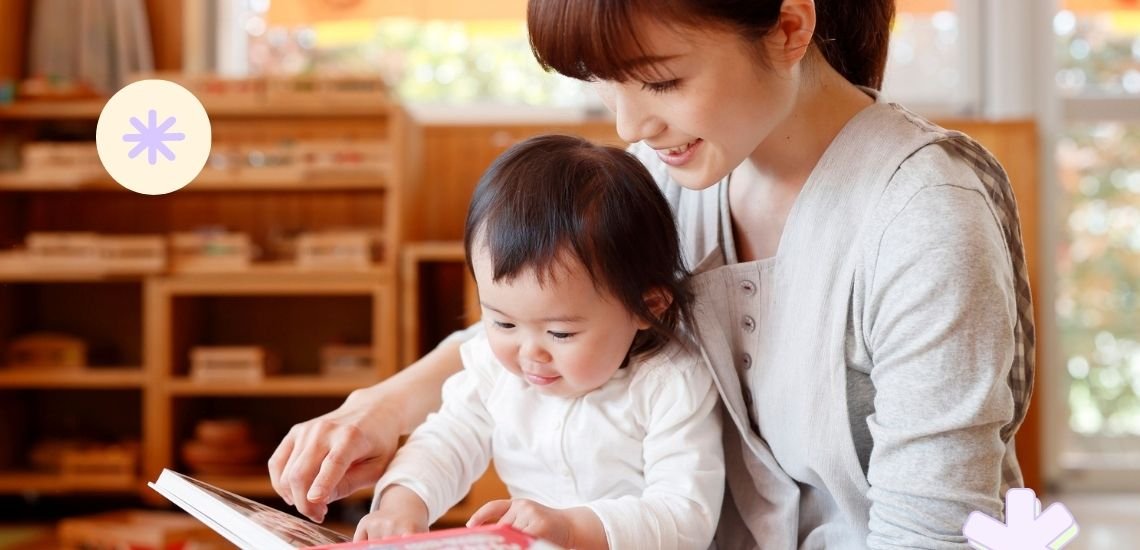
Your baby’s curiosity grows strongest through connection. Your warm voice, gentle eye contact, and patient presence help them feel confident enough to explore. Babies learn courage from your support.
Try not to rush exploration. Babies need time to study things at their own pace. When you pause and wait, your baby discovers more on their own.
Your reactions matter. A smile, a nod, or a soft word encourages your baby to continue exploring. Think of yourself as a quiet guide and steady anchor.
- Describe what you see: Simple narration helps babies build early language skills.
- Pause before stepping in: Give your baby time to try before helping.
- Reflect curiosity: If your baby studies a spoon, study it together.
Conclusion
Curiosity is one of the most powerful forces in your baby’s early development. It helps them build strong brain connections, early problem-solving skills, and emotional confidence. Simple play moments support this growth beautifully.
Your baby does not need perfect activities or long lessons. They need time, warmth, and everyday experiences. Slow, simple play helps them explore safely and at their own pace. Over time, these moments shape strong habits for learning, creativity, and independence.
Start small today. Offer one new texture, share one quiet play moment, or follow your baby’s gaze for a few seconds. Each tiny step encourages curiosity and supports their growing mind.
Frequently Asked Questions
How can I encourage my baby to explore safely?
Create a soft, clear play space and offer a few simple objects. Stay close so your baby feels secure. Let them choose what to explore. Your calm presence helps them stay curious and confident.
What simple play activities help babies develop curiosity?
How much playtime does my baby need each day?
A few short sessions are enough. Babies learn in small bursts. Gentle exploration throughout the day builds strong brain development. Follow your baby’s cues and keep play calm and simple.
How can I help my baby stay focused during play?
Reduce background noise and keep the play area simple. Offer one or two objects at a time. Babies focus better in calm environments. Your presence and gentle encouragement help them stay engaged longer.
Do babies need toys to build curiosity?
Not always. Babies learn deeply from household objects, simple textures, and your warm interactions. Curiosity grows through exploration, not the number of toys. Focus on gentle, everyday play moments.
SEO DATA:
Focus Keyword:
SEO Title: Encourage Curiosity in Babies with Simple Play
Meta Description: Learn how to encourage curiosity in babies with simple play ideas, warm interactions, and gentle routines that support early development.
Permalink:
Tags: